Biogas is big in Niedersachsen
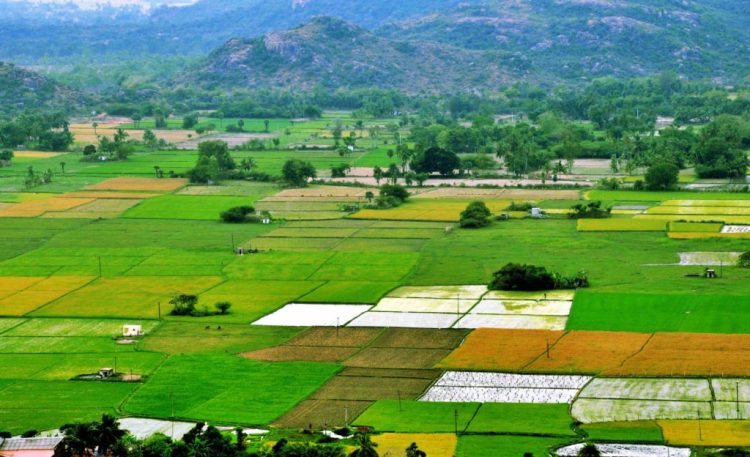
In the landscape, differences between Niedersachsen and the Northern Netherlands are almost unnoticeable. On both sides of the border, biobased economy is in full development. A lot of research and talks take place in the Eems-Dollard regional association. Some important differences among the regions: farmer’s cooperatives in the Netherlands versus a more individual approach in
Grass, a valuable feedstock for the biobased economy
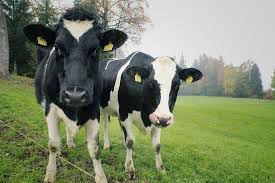
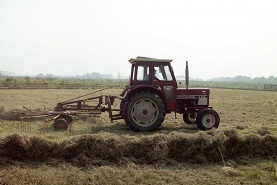
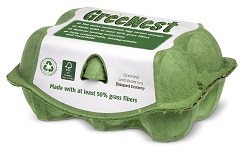
We should take another view of grass, according to Grassa. Cows in meadows are beautiful, but grass contains too much proteins for the cow. Why not extract that excess first? Besides, grass contains many valuable substances like fibres and sugars, which could be marketed separately. Grassa puts this philosophy into practice. Grassa’s history and that
Biorefinery, a new model for farmer’s incomes
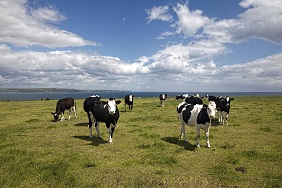
‘Cows in the meadow in a real Frisian landscape will always be the subject of romanticism’, says Gjalt de Haan, ‘but the dairy farmer as the producer of milk as a sole product might change. In the Northern part of the Netherlands, a lot of biomass is available, which we can use in order to
Algae thrive in the Northern part of the Netherlands
Dutch Northern provinces could become the centre of algae production and technology. Algae contain proteins, fats and carbohydrates. For their growth they just need heat, carbon dioxide, and minerals from waste streams. Optimists claim that up to 20% of Dutch energy requirements could be met by algae. Research inspires business plans and vice versa. An
First versus second generation
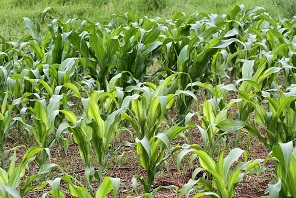
In the biofuel debate, it important to distinguish first and second generation technologies. First generation technologies produce biofuel from edible feedstock like starch (from maize), sugar (from sugar cane) or rape seed oil. Second generation technologies produce biofuel from wood or grass fibres, or from specially bred ‘second generation crops’ like Miscanthus. Acceptance of first