CRISPR-Cas genome editing
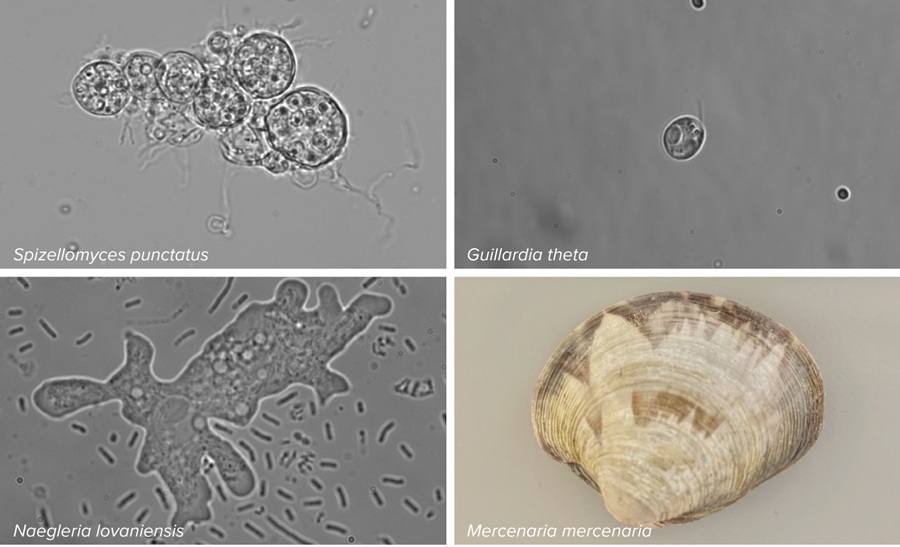
CRISPR is making headway. The first medical therapy using CRISPR has just been approved. CRISPR-Cas systems show up in complex cells. There’s a lot going on in the genome editing … Read more

CRISPR is making headway. The first medical therapy using CRISPR has just been approved. CRISPR-Cas systems show up in complex cells. There’s a lot going on in the genome editing … Read more
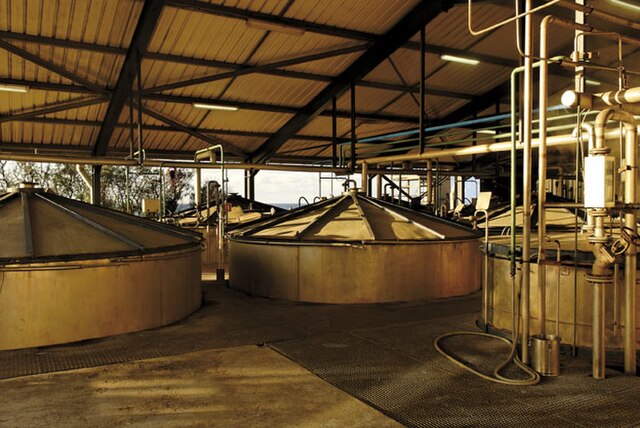
We don’t need animals for protein production – even of the required quality. The method in question is being researched intensely. Vivici, a company founded by Marcel Wubbolts, is one … Read more

This month, Genetic Literacy Project contained an article by its editor, Jon Entine, on sustainable agriculture and its relationship to the use of glyphosate. Interesting to read. With a view … Read more

Nature Communications ran an interesting article on the future of our food system; and specifically on the potential of micro-organisms (bacteria, yeasts, moulds) to develop new foods and food ingredients. … Read more

Fur is one of the most difficult textiles to imitate. It also meets with a lot of resistance because its production requires killing animals. But Bio Market Insights now reports … Read more

MIT in Boston (UsA) is one of the scientific centres developing initiatives to stop climate change. On April 11, it announced five flagship projects in its Climate Grand Challenges. Among … Read more
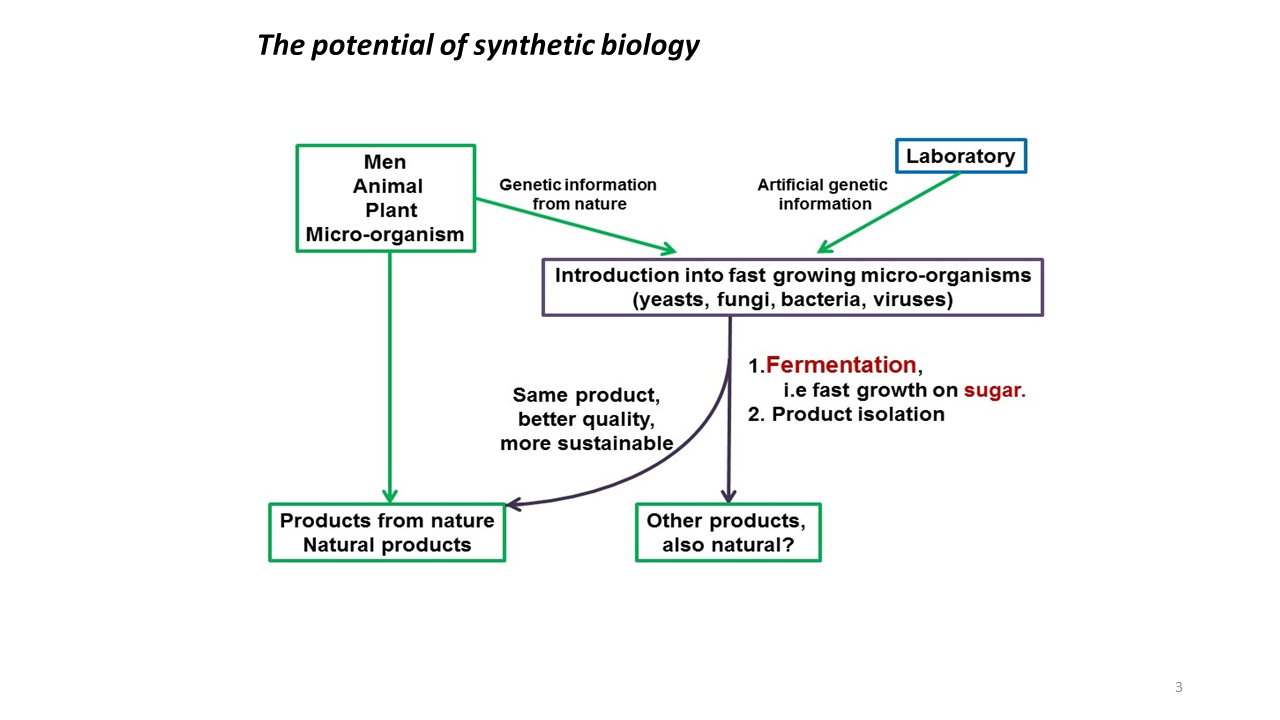
We already went into promises of biotechnology and of biological preparations (a.o. in no.54, If chemistry and biology join forces). Biology makes less progress than hoped for, and its successes … Read more
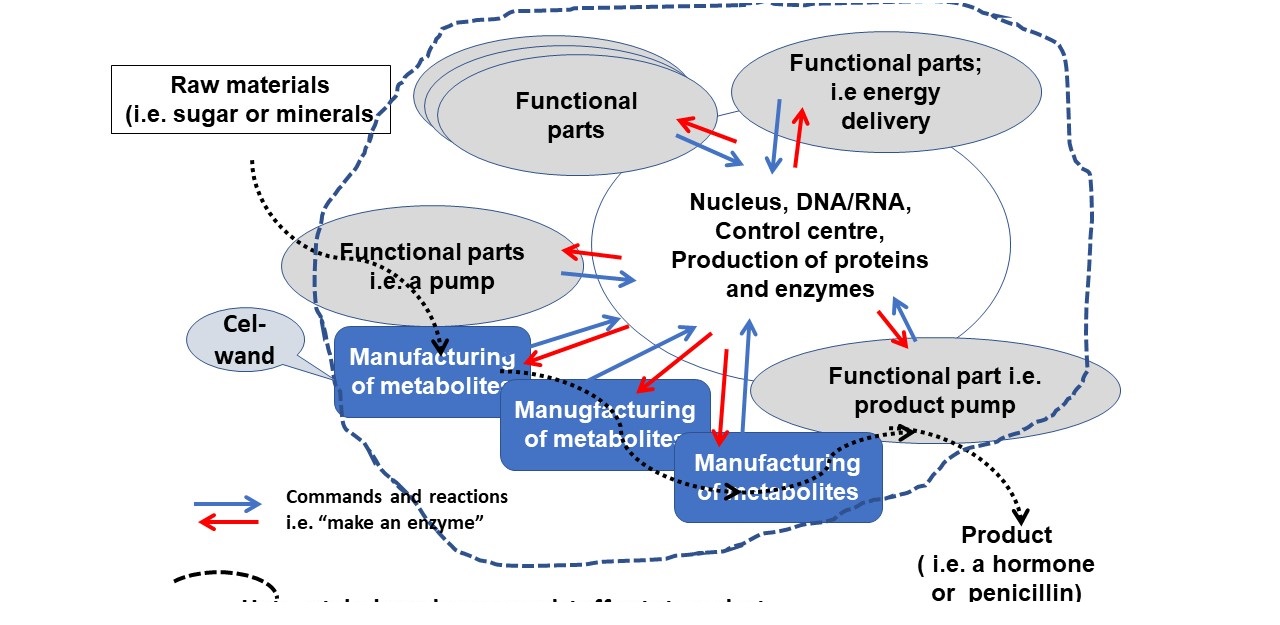
In the period 1980-2000, pharmaceutical research needs new impulses. The 1950 guidelines are brought to mind again: – we can cure diseases using the proper medicines – we can unlearn … Read more

We discussed the Bt eggplant project in Bangladesh in an article by Hans Tramper, 3 years ago. It seemed to be very successful. Recently, professor Anthony Shelton of Cornell University … Read more
The Conversation recently devoted attention to the opportunities of genetic technology for warfare. Sure, there are international agreements overseeing (and restricting) such opportunities. But technology evolves all the time. Nations … Read more
Thought that genetic modification (gene transfer) was artificial? Just done by human researchers? New research now reveals that gene transfer is quite a common event even among higher plants. And … Read more
Modern biologists are waging a fierce debate on the meaning of the concept of the individual. Definitions of well-known phenomena like symbiosis and parasitism need to be rephrased. The debate … Read more
The solutions are here!, talking about major global problems. Solutions that exist already but are not generally applied. Or that are under severe and undeserved attack and therefore receive insufficient … Read more
The major pharmaceutical industry is going through a difficult time. Industry should find a new track. Biomedicines could open up a new chapter. This is the third of four articles … Read more
Frances Arnold won the 2018 chemistry Nobel prize for her research on directed evolution. Directed evolution speeds up nature’s variation and selection process, and researchers use it to find the … Read more
Recently, Knowable Magazine devoted an article to the question how far conventional agriculture is on the way to becoming more sustainable. The problem is: conventional agriculture pollutes too much (fertilizer … Read more
Reading the book Naturally! Of course. How nature always keeps surprising us (in Dutch) by Alle Bruggink and Diederik van der Hoeven was a great pleasure to me. Even stronger, … Read more
Antibiotics resistance of harmful organisms becomes a major problem – in agriculture, in human and veterinary medicine. Scientists now try to come up with new methods. They think that CRISPR … Read more
Researchers do not apply genetic modification just to microorganisms and plants. Animals are genetically modified as well, we will treat this in the articles of Essay 5. With regards to … Read more
Am I mistaken, or is there really a gradual shift taking place among opinion leaders in favour of genetic modification? Or is it just my perception that changes? Meaning: do … Read more

Medical and recreational cannabis is becoming big business, according to Lux Research, a Boston-based international research company. The size of the cannabis market in the Americas is $ 12 billion … Read more
Photosynthesis is one of the most important biological processes on earth, if not the most important one: no life without photosynthesis! The Rubisco enzyme plays a key role in this … Read more
In cisgenesis, we insert new DNA in a stable form into plant DNA, just like in transgenesis. The difference being that in transgenesis, the new DNA originates from another species, … Read more
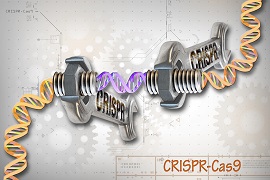
The quest for engineering life is an infinite ‘marketplace’ for science, commerce and society. They are the very stakeholders that will have to decide on the rules of the game: … Read more
The birth of the hiv-resistant gentech twins Lulu and Nana in China has stirred up the debate on methods and results of modern biotechnology. Rightfully so. The gap between what … Read more
Golden rice symbolizes the protracted trench war between proponents and opponents of modern biotechnology. The Swiss Ingo Potrykus of ETH Zürich is the golden man behind the golden rice. With … Read more
Modern techniques are in very rapid development. We can now analyse the most complex DNAs down to the level of individual base pairs, knowledge that will enable us to continue … Read more
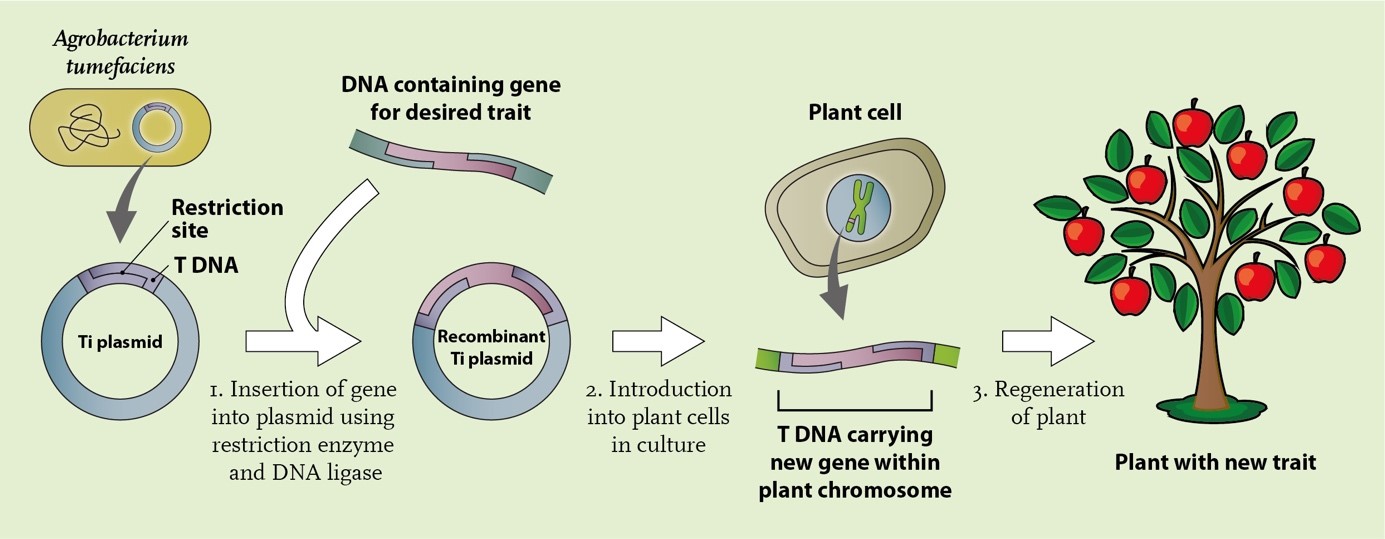
Ever since mankind developed agriculture, we try to selectively breed plants in order to secure enough and good food. Our capabilities to purposely engineer plant genomes have increased a lot … Read more
Anyone attached to Greece (and I am one of them) knows moussaka, one of the most traditional dishes of the Greek kitchen. I have mixed feelings on it, even though … Read more
In September 2017, the FAO released a report on hunger in the world. According to this report, in 2016 11% of the global population experienced hunger, i.e. 815 million people, … Read more
In 1971 I did a work placement at Tel Aviv University in Israel. It was a wonderful and decisive period in my life. The researchers in the lab judged it … Read more
Anyone who opposes genetically modified (GM) food can tell you that ‘in France’ they found that GM maize causes cancer in rats. This study was conducted under leadership of Gilles-Éric … Read more
Gene technology is a much-discussed technology with almost endless opportunities. Opponents have objected to it right from the start. Their worry was and is, that researchers do not exactly know … Read more
In 1973, Stanley Cohen and Herbert Boyer of Stanford University and University of California, did the first successful recombinant-DNA experiments on the bacterium Escherichia coli. Through genetic ‘cutting and pasting’ … Read more
Only quite recently historically speaking, mankind acquired the know-how to change the properties of living species: as people settled and developed agriculture. But it required a revolution, much later, to … Read more
1973 was a remarkable year. We witnessed the first global energy crisis, leading to motor car-free Sundays in the Netherlands. In the US, president Nixon had to resign because of … Read more
An interesting article in the Guardian, last week, shed light on new strategies to combat insect attacks on food and commercial crops, through genetic modification. But in such a way … Read more
The real sustainability revolution in farming is New Breeding Techniques like CRISPR. Why are organic farmers blocked from using them? This article by David Warmflash was originally published on the … Read more
Last January, the news that a Chinese team of scientists had cloned macaque monkeys drew a lot of attention. Discussion was quick – too quick – to focus on the … Read more
In our first article we concluded: as long as modified genes do not end up in the final product, nobody will oppose genetic engineering; even opponents of the technology will … Read more
It is difficult to find out why exactly Friends of the Earth and Greenpeace, the two leading organizations in this field, oppose genetic engineering. Clearly it is important to them … Read more
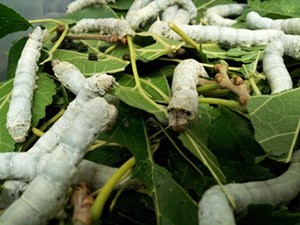
Whereas the two companies discussed in this series so far use fermentation technology to imitate silk, the American company Kraig Biocraft Laboratories uses the old workhorse, the silkworm. They introduced … Read more
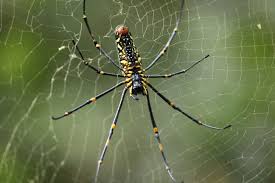
Spider silk combines properties that are very difficult to achieve for man-made materials. It is claimed to be 340 times stronger than steel; we are also told that a net … Read more
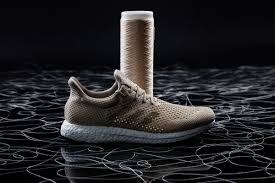
For a long time, silk has figured as a proverbial example of nature’s skills: strong and breathable, and soft to the skin as no man-made material could achieve. But we … Read more
In an interview about digitization of education, Onderwijs moet de voordelen van ICT gebruiken, published in the Dutch newspaper NRC, May 8th, 2017, the president of the Dutch Education Council, … Read more
There’s always a time lag between the development of a new technology and a dawning awareness of its social impact. Then follows a debate among scientists, possibly followed by a … Read more
A number of American companies offer Do-It-Yourself genetic engineering kits on the internet, in order to practice Synthetic Biology and Biological Design at home. With these biokits one can alter … Read more
In her lecture at the European Forum for Industrial Biotechnology (EFIB), last October in Glasgow, Professor Dame Anne Glover, Vice-Principal External Affairs, University of Aberdeen, lectured about effectively communicating about … Read more

Bioplastics markets show a stable growth overall; but within them, the emphasis shifts to disruptive newcomers; so we learn from two reports issued last month. Synthetic biology (synbio) technologies are … Read more
According to Piet Borst, a highly respected Dutch cancer researcher, those deserving to receive the Nobel Prize for the development of CRISPR-Cas technology, will not get it. With that he … Read more