Heat: reduce demand for cooling

Our planet has arrived in unknown territory; all kinds of records are being broken. During four consecutive days in July 2023, Earth experienced the hottest day ever. And the North … Read more

Our planet has arrived in unknown territory; all kinds of records are being broken. During four consecutive days in July 2023, Earth experienced the hottest day ever. And the North … Read more
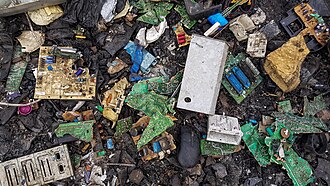
No waste stream grows as fast as electronic waste or e-waste. Recycling companies now pay attention to it. They can recover gold, copper and nickel from it, among others. Hannah … Read more
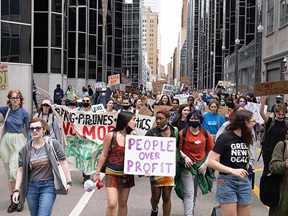
Yuki Kabe, Technical Advocacy Specialist at Braskem, signals an incorrect judgement of ‘biobased’ or green plastics in lifecycle analyses. As a chemical engineer, he has more than 20 years of … Read more

Increasingly, methane (CH4) emissions are on the critical path – the path towards limiting climate change to 2°C. This is the upper target of the 2015 Paris agreement. Methane emissions … Read more
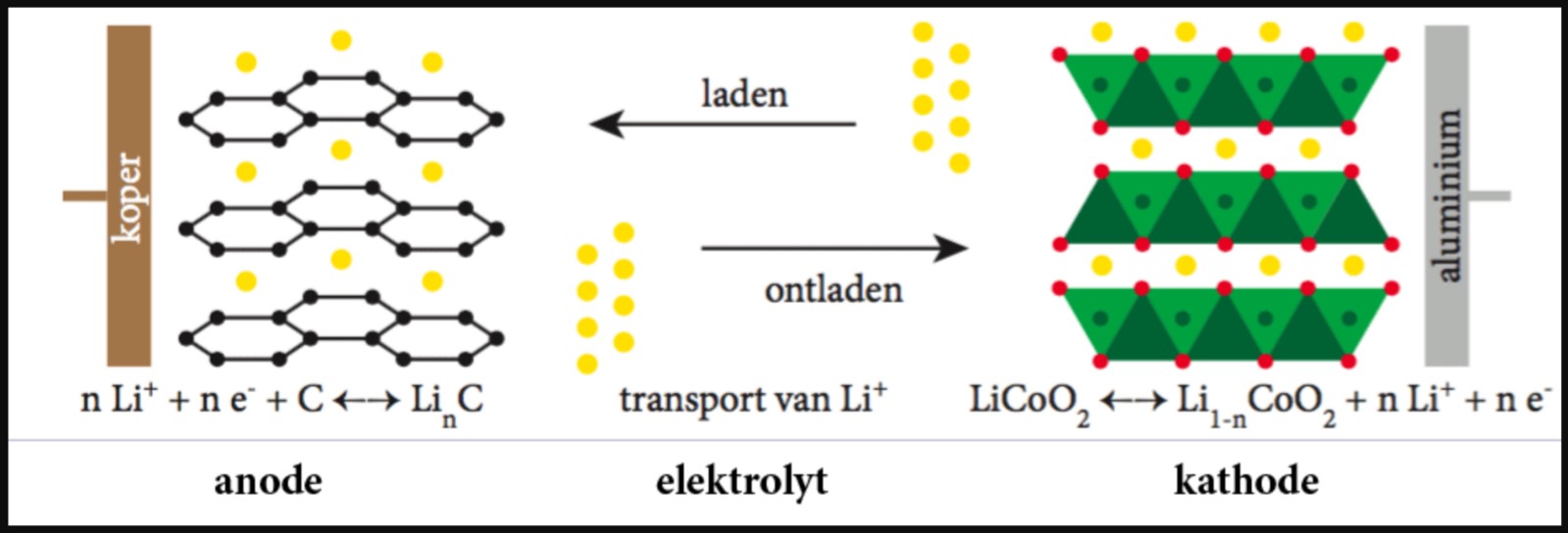
Electricity should preferably be consumed immediately when it is generated. Storing electricity is not that easy. It always comes down to converting electricity into something else, that is used at … Read more
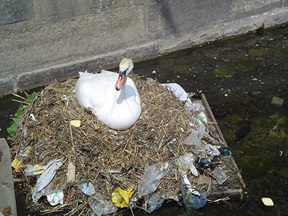
From November 25 to December 1, 2024, representatives from 175 countries gathered in Busan, South Korea; the fifth and final round of negotiations on a global treaty on plastics pollution. One of … Read more
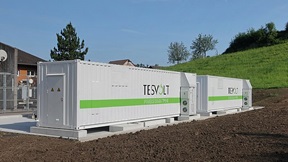
Recently, RethinkX published an article by Taylor Hinds on battery storage. We need such a storage in order to turn the intermittent solar and wind energies into a continuous energy … Read more
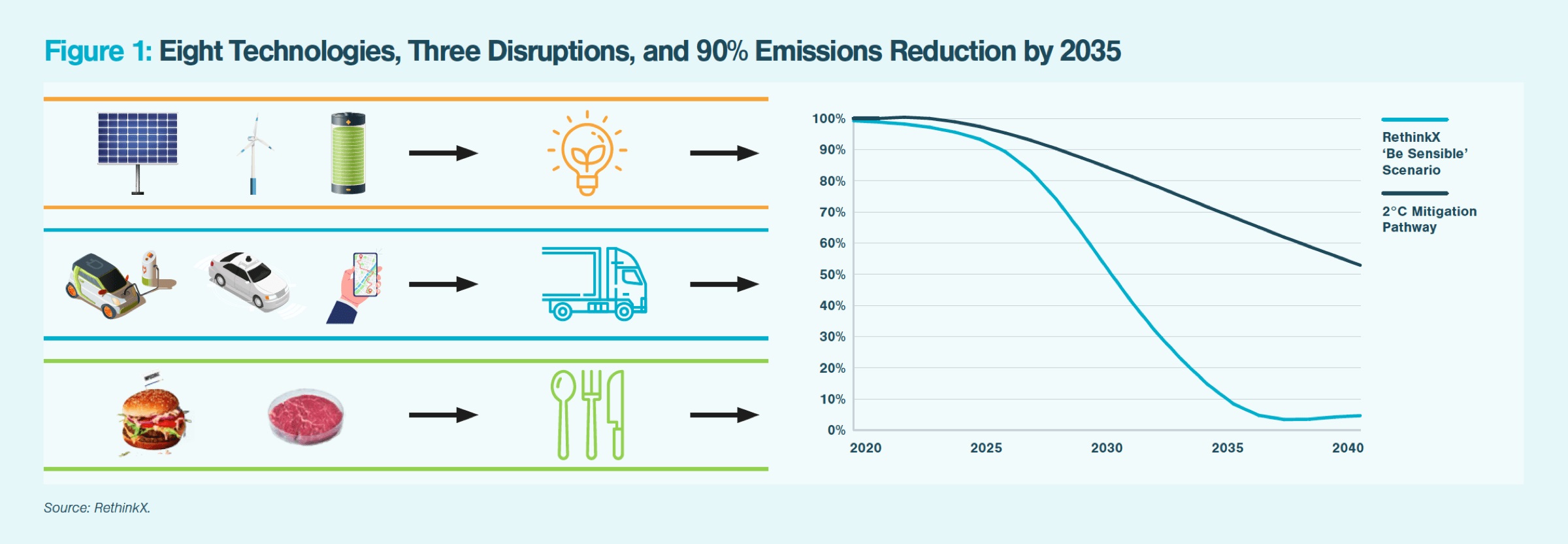
According to RethinkX, our society may be heading towards clean disruption. Meaning that in the coming two decades, old and wasteful industries will disappear and new and clean industries will … Read more

Solar panel production disappeared from Europe over the past twenty years. Now, a new generation of solar panels is around the corner, and this could mean the return of solar … Read more
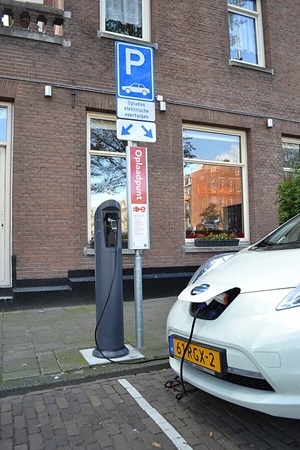
Bidirectional charging, or possible charging from both sides, is a smart solution for grid overcharging. Bidirectional charging means that the current can go both ways. It is useful in particular … Read more
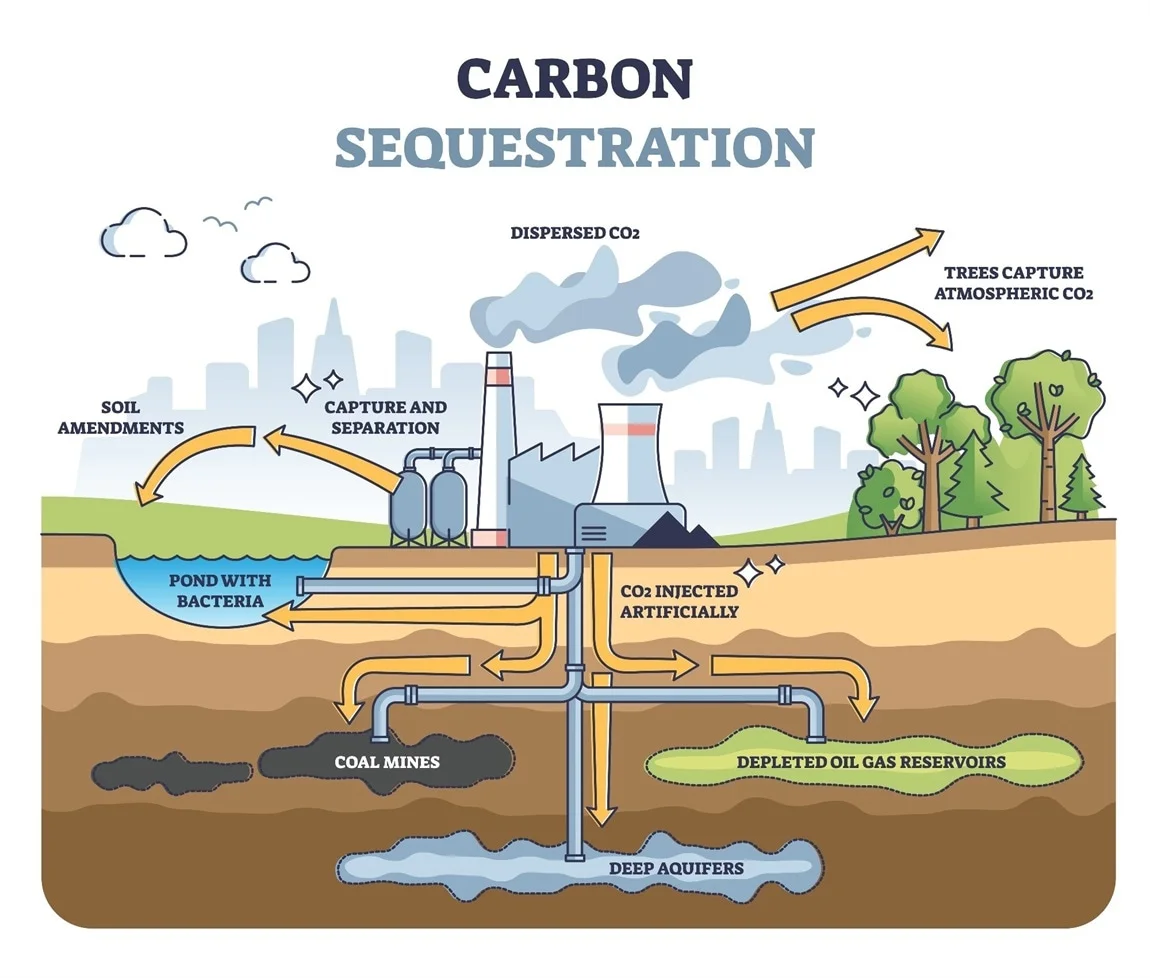
Do we need carbon capture in order to meet climate goals? The jury is still undecided. If we would like to keep on using fossil fuels, we need carbon capture … Read more
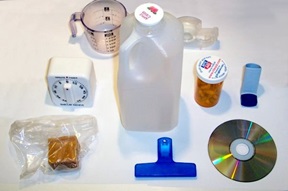
The Conversation informed us about the negotiations on a global pact on plastic. A penultimate round of negotiations recently ended in Ottawa – the last stage will take place later … Read more
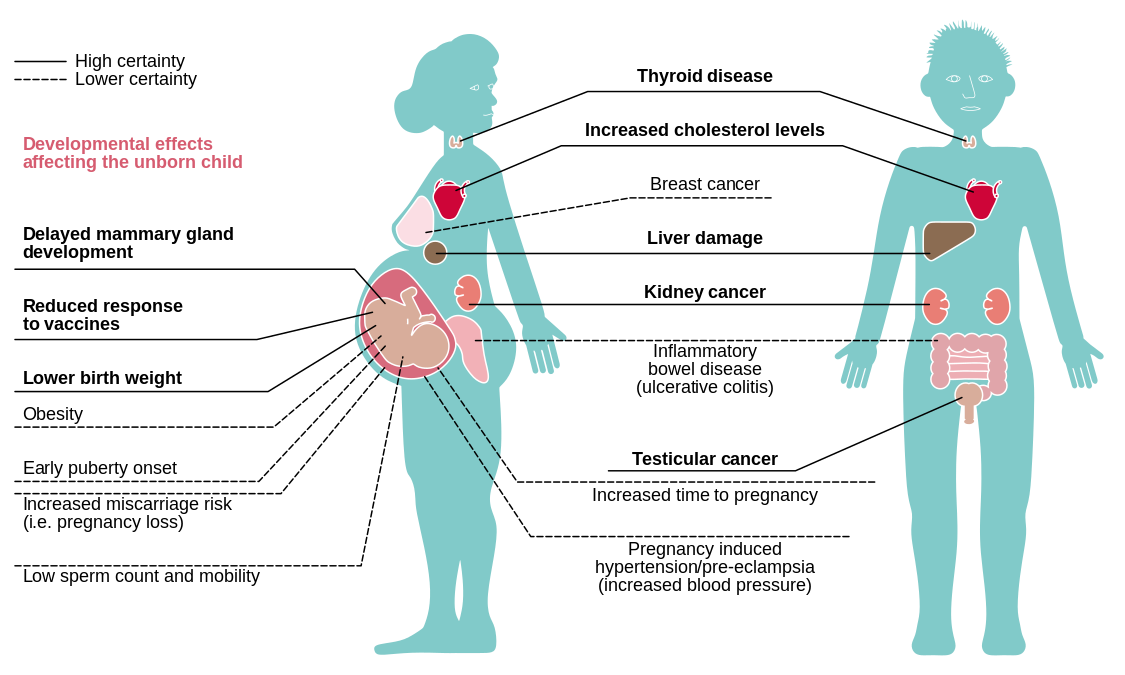
PFAS is a generic term for a large group of fluor containing organic chemicals. They are being used as water repellents, like in non-stick pans, paper and coatings, packing materials … Read more
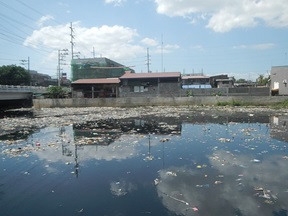
Knowable Magazine ran an interesting article by Nicola Jones on a forthcoming treaty on plastic pollution. This would tackle the vast amounts of plastic waste discharged to the environment. It … Read more
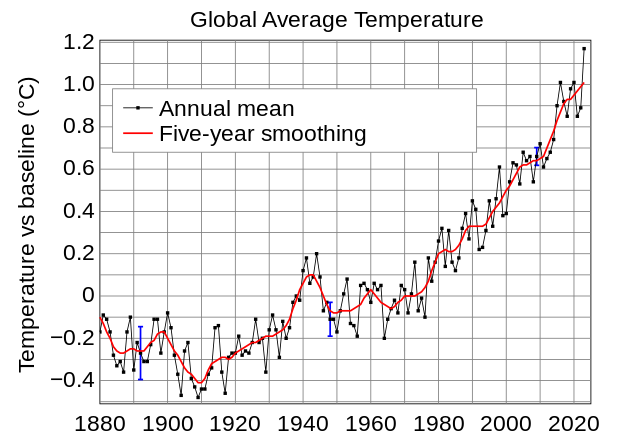
Is the Earth entering a new and more dangerous phase in climate change? Where global heating will accelerate instead of slow down? This may be the case, says Jack Marley … Read more
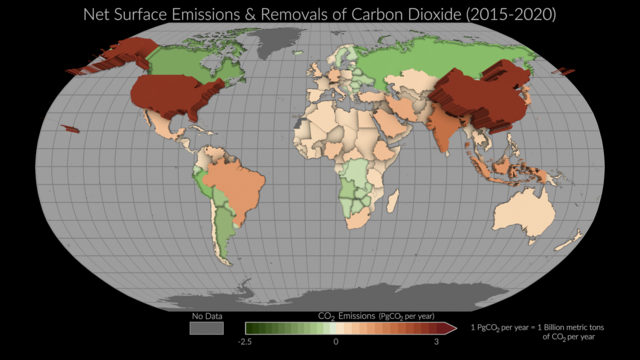
Carbon dioxide is a powerful greenhouse gas. But we can put it to good use as well. Putting CO2 to good use may even reduce the burden of preventing its … Read more
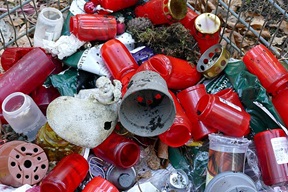
Plastic consumption is still rising. Versatile compounds! But plastic recycling isn’t well organized. Therefore, the mountain of plastic waste is still growing. The world needs to find a solution to … Read more
Wind turbines have a bad reputation, particularly in respect of their effect on flying creatures like bats and birds. But new research shows that we can overcome this problem, to … Read more
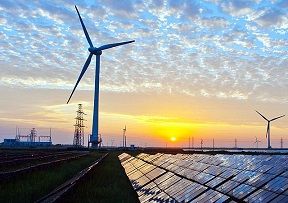
The growth of solar and wind power has sparked a debate on how much renewable energy the grid can carry. The more solar we add to the grid, the less … Read more
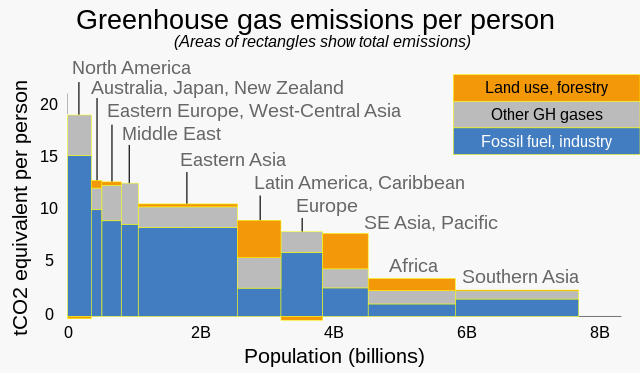
Most carbon dioxide emission policies have a weak spot: they forget emissions from embedded carbon, through decay of products made from fossil sources. Often, policy only has an eye on … Read more
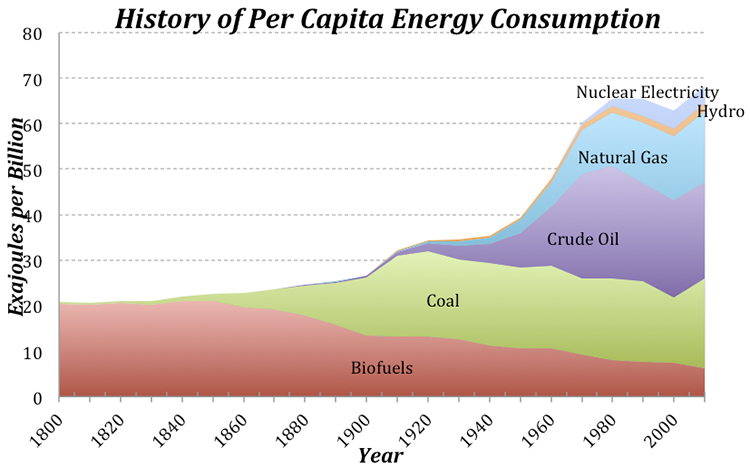
Already in our 2016 energy forecasts, we foresaw a much more favourable development of renewable energy than authoritative organizations: energy companies, the oil industry and international bodies like the IEA. … Read more

The release of CO2 to the atmosphere has become a problem. So much so, that a nonsensical idea like direct air capture (DAC) has attained followers. And is even experimented … Read more
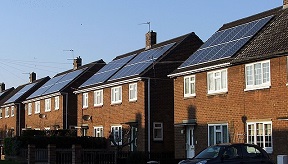
The sun doesn’t always shine. Sometimes there is not a breath of wind, sometimes it storms. As we move forward towards sustainable sources in the energy transition, we need to … Read more
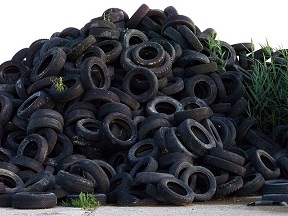
Recycling consumer products gets much attention. The circular economy calls upon us to cut down on waste and energy use and to stimulate recycling. Plastic recycling is in vogue. But … Read more
We are now three decades into political and research efforts to stop climate change. But we are still in the era of rapid global emissions growth. Since 1990, we emitted … Read more

The Dutch farmers manifest themselves. They block highways and distribution centres. They pay a visit to the homes of ministers. They oppose plans to reduce appreciably manure production and ammonia … Read more
A recent article in The Conversation shows the undesirable results of a climate policy that lends its ears to public opinion. For consumers are at odds with themselves – in … Read more
Almost three years ago, in 2019, we voiced our concern over increased methane emissions. Although then we saw a bright side to this problem: unlike CO2 emissions, methane (CH4) emissions … Read more
More European solar PV production capacity, a better alternative to the expensive, slow, risky and misguided path of nuclear energy. This article was first published on Renewable Carbon News of … Read more
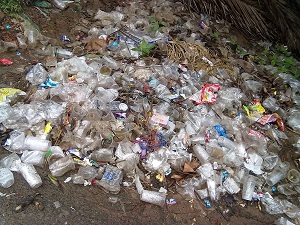
Gut feeling says plastics are bad for the environment – but are the alternatives really better? Originally published in Renewable Carbon News of the nova-Institute. Plastics, an environmental problem? In … Read more

In comparison to most utopian views, RethinkX devotes a lot of attention to the Organizing System required for the transition. It stresses that we cannot just rely on technological innovations. … Read more

This summer, the world has been shocked by disasters, probably caused by climate change. When will the global community take upon it in earnest the task of reducing greenhouse gas … Read more
Lux Research, an international research policy company based in Boston, published a report on sustainable materials policy. What are the most effective policy instruments in this area? Sustainab-ility is growing … Read more
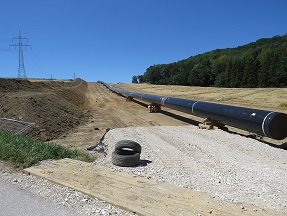
We need to move through the energy transition fast. Because continuous carbon dioxide emissions will result in unacceptable climate changes. That’s why we need transition paths that meet with little … Read more
In a report released last month, Lux Research looked into CO2 utilization. The company forecasts a growth in this sector to $ 70 billion by 2030 and to $ 550 … Read more
The most important low-carbon energy sources, renewables and nuclear, compete for investment funds. But if we are not mistaken, the dice have already been thrown in this contest of renewables … Read more
A recent article in Nature Energy confirms what we might have surmised already: renewable sources are much better at creating a low-carbon energy future than nuclear power. They do need … Read more
In a small clinical study conducted in April and May 2020, British scientists investigated the effect of inhalation of nebulised interferon-beta-1a (SNG001) on the development of COVID-19 in patients. The … Read more
Our lifestyle greatly promotes the outbreak of pandemics like Covid-19, and this could have devastating consequences. Unless we take action. Says a new report by IPBES, the Intergovernmental Platform on … Read more

The European Academies’ Science Advisory Council (EASAC) urges the European Commission to base its carbon accounting on science and the real effects on climate. The present accounting rules favour energy … Read more

Sustainable biomass is a subject dominated by strong and enduring disagreement. Michael Moore’s latest film Planet of the Humans is a recent reminder of that. In the Netherlands, always looking … Read more
Crises are an opportunity to review our present structures and habits; and to create new ones. Many observers judge that we wasted the 2008 financial crisis: the mechanisms that caused … Read more
The decline of insects has been well established now. It concerns both their abundance and their diversity, and spans all continents. If they decline even more, we will run into … Read more

The report The better job (in Dutch) by the Netherlands Scientific Council for Government Policy (WRR) is ground-breaking. For the first time in forty (!) years, there is attention for … Read more
By the end of last year, Dutch Rathenau Institute produced a thought-provoking report on the energy transition (in Dutch). We need artificial intelligence, sensors and other data applications in the … Read more
The Dutch Cabinet has determined missions to tackle major societal issues, and Dutch knowledge sectors are currently drawing up Knowledge and Innovation Agendas on how to support the realisation of … Read more
At the moment, the Netherlands suffer from the oak processionary. Or, as one commentator put it: it has been causing a lot of trouble over the past few years, but … Read more
A month ago, May 2019, a UN agency with the awkward acronym IPBES published a report on nature decline. It tells us: ‘nature and its vital contributions to people, which … Read more

The Bio-based Industries Joint Undertaking, BBI JU, one of seven JUs under the Horizon2020 program, recently published their next Call for Proposals, the sixth one on the path towards 2020. … Read more
Brexit and The Wall not only generate news. These issues also provide for interesting comments that ultimately can apply to other, or much broader, areas like the bio-economy. Where continuous … Read more