

Sustainability needs green growth

Long ago, in the seventies of the last century, environmentalists like myself were faced with a dilemma, in short: pollution or frugality. Wealth brought along pollution, and in the last … Read more
Multiple use of biomass
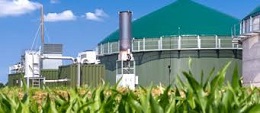
Cascading biomass is the latest policy term for a multiple use of biomass, a use that starts ‘at the top’, in some material form (e.g. furniture or bioplastics) and ends … Read more
Hemp, a very versatile crop
‘Hemp is a very versatile crop,’ says René Sauveur of Pantanova, a Dutch consultancy company in the area of growing and processing hemp. But the market is difficult and needs … Read more
Avantium and Photanol are doing well
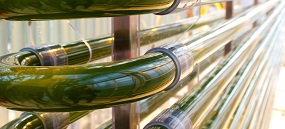
The twelfth Dutch Biobased Economy network gathering in Amsterdam, yesterday, radiated optimism. Not in the least because of the positive messages from those two award-winning flagships of the biobased economy … Read more
Preservation of chemical complexity in green chemistry
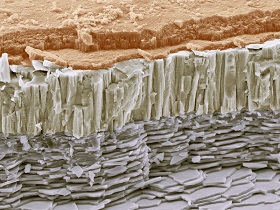
Green chemistry is not just another science than the existing, fossil-based chemistry; green chemistry represents another philosophy as well. Whereas chemical industry now tries to synthesise complex substances from simple … Read more
Green chemistry: towards an integration of agriculture and chemical industry
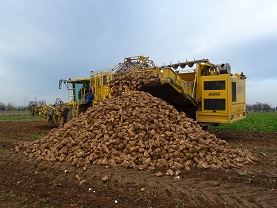
In our first article on green chemistry we stressed the role of bio catalysis. This leads to a preference for feedstock from agriculture, at first in the small-scale fine chemical … Read more
A discovery that could lead to sustainable electronics
Consumer electronics constitute a rapidly increasing source of waste. Cell phones, tablets and the like are typically made of non-renewable, non-biodegradable, partly environmentally toxic materials. A newly developed chip, in … Read more
Green chemistry: nature as our teacher
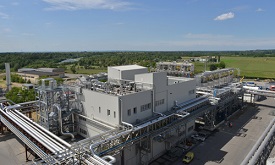
One often gets the impression that all fascination for modern technology concentrates on ICT: robots, self-steering cars, mobile phones and their apps. Green chemistry, a breakthrough technology too, gets little … Read more
How do biofuel developers survive when oil is cheap?
Biofuels had an obvious appeal when oil prices were well over $ 100 a barrel. Developers thrived and almost a thousand flowers started to blossom. But then oil prices plummeted … Read more
Sustainability Day in higher education
Sustainability, the word has been used so often that some have been looking for alternatives for quite some time. But fortunately, the sustainability perspective often still inspires people; like in … Read more
Still a one-sided emphasis on the energetic use of biomass
Last month, the European Parliament finally agreed on a new compromise on the use of biomass for energy. Nova Institute listed the main effects of the new regulations on the … Read more
Bioplastics are the future
Bioplastics started their development just recently, said Innovia’s Andy Sweetman at the Bio!Pac conference, last week. Fossil-based plastics are at the height of their learning curve, they cannot improve very … Read more
Biodegradable or biobased: an on-going debate
One of the discussions at the Bio!Pac conference, organised by Bioplastics Magazine and Holland Bioplastics last week in Amsterdam, was about biodegradable versus biobased. Bioplastics, around which the conference revolved, … Read more
Genetic modification of human embryos?
With great speed, genetic modification penetrates into our society – the biobased economy depends on it to a large extent. It does not evoke much discussion; ignorance and complacency abound. … Read more
Leon Mur: plant ingredients have much potential

‘Plant ingredients are in the picture in industries: in the agrochemical, cosmetic and pharmaceutical sectors,’ says Leon Mur, director of the Dutch Expertise Centre for Plant Ingredients (Kenniscentrum Plantenstoffen). For … Read more
Mother Earth Day: let us protect healthy soils

Today, 22 April, is Mother Earth Day. It is an international event, supported by the United Nations. This year’s theme is: ‘It’s our turn to lead’. ‘The big decisions that … Read more
Levulinic acid, the next green chemical building block

The production of levulinic acid is gaining momentum. Levulinic acid is one of the chemicals on the famous list of green ‘chemical building blocks’ of the US Department of Energy, … Read more
Synthetic biology: health, fashion and ethics
Industry is going to embrace synthetic biology. It can hardly do otherwise, following the promises of higher yields, purer products and greatly reduced environmental impact. But will their customers accept … Read more
Cooperative banking in the biobased economy – but without the Rabobank?
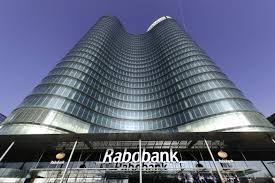
Poor Rabobank! Potentially it is one of the main financiers of the biobased economy. But will it have to say goodbye to its successful cooperative model, whereas the biobased economy … Read more
Strong biobased supply chain will trigger the 21st century innovation wave, says Daan Dijk (Rabobank)

Agriculture and chemistry are moving closer to each other. If they would integrate, Rabobank’s Daan Dijk said at the World Bio Markets conference, they will trigger the 21st century innovation … Read more
Can products from synthetic biology be sustainable?
Last year, Ecover made a courageous decision. It decided to kick out palm kernel oil (widely known for its shaky sustainability) as a feedstock for many of its detergents, and … Read more
Andy Shafer (Elevance), producer of biobased product award winner
A ‘disruptive technology’, that is what Elevance Renewable Sciences calls the metathesis reaction on which the company is built; never omitting the proud words ‘Nobel Prize winning’ (Chemistry, 2005). They … Read more
Synthetic food?
Synthetic biology offers us a countless number of opportunities to reshape natural materials, and even our food. Yes, that would mean synthetic food. Many people would dismiss this right away … Read more
Stefano Facco (Novamont): locally based and careful biorefineries have the future
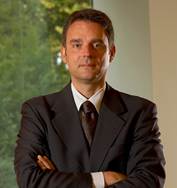
Novamont is an Italian company that aims to develop materials and biochemicals through the integration of chemistry and agriculture. It is one of the flagships of the rapidly expanding Italian … Read more
Synthetic biology in cheese and saffron production
Yesterday’s article was about Friends of the Earth’s problems with vanillin sold on the market by Evolva. This substance is produced by organisms modified by synthetic biology, but nevertheless called … Read more
Synthetic biology in food production
Last year, Friends of the Earth launched a campaign called ‘Extreme Genetic Engineering in Your Ice Cream?’, directed against ‘natural’ vanillin produced by genetically modified yeasts. It got assurances from … Read more
New protein sources will fill the gap
One of the main concerns about world food supply is the production of proteins. Lux Research, in a new study, suggests that ‘the current dominance of meat and seafood will … Read more
Global Divestment Day
Today and tomorrow is Global Divestment Day, the day when concerned citizens around the world ask institutional investors like universities and pension funds to withdraw their investments from fossil fuel … Read more
Myco Design Lab: art meets industry in mycelium
The Myco Design Lab of the international art foundation Mediamatic based in Amsterdam, links the worlds of industry and art. This program is about everything we can do with mycelium, … Read more
Now is the moment for a carbon tax, says Paul Ekins
We should create a carbon tax now, as energy prices are low, said the British economist Paul Ekins last week in The Hague, at a conference on green growth. That … Read more
Mycelium, the ultimate green material
In the future, we might not blow, mould or cast most of our materials, but grow them. That is, if we embrace mycelium, the ultimate biobased material: fully green, growing … Read more
Bioenergy: the ambitions are the problem
Nothing is wrong with bioenergy; something is wrong with the ambitions that its proponents have: bioenergy should save the climate. Because that ambition would require the production of biomass in … Read more
One bioeconomy, two worlds
At first sight, the discussion was quite adequate at the meeting ‘A sustainable bioeconomy in 2030: are we on the right track?’. Organised by the Dutch Commission on Biomass Sustainability … Read more
Wood biorefinery has an enormous potential
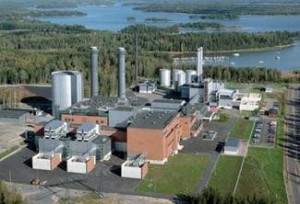
At EFIB, last October, the most brilliant lecture – in my humble opinion – was delivered by Johanna Buchert, a Finnish professor who works at VTT, the Technical Research Centre … Read more
The silent miracles of energy efficiency
Energy efficiency is our cheapest energy source, with a very large potential. It has been so for forty years and will probably continue to be so for decades to come. … Read more
Marine biotechnology: major opportunities, many obstacles
Marine biotechnology is a challenging field of research with the prospect of very interesting discoveries like new antibiotics, cosmetics and food additives – albeit with few commercial projects so far. … Read more
Bio aromatics
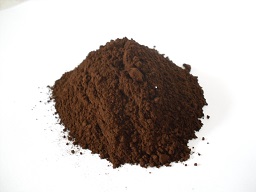
Just a few years ago, bio aromatics seemed far away. Aromatic compounds could be so easily extracted from (fossil-based) naphtha, that bio aromatics seemed to be a dream for the … Read more
Specialty carbohydrates: a very specialised biobased industry
Among the surprising new companies in the biobased industry is certainly Inbiose. This spin-off from Ghent University specialises in specialty carbohydrates: very complex structures consisting of a precisely controlled sequence … Read more
Green Growth, executive summary
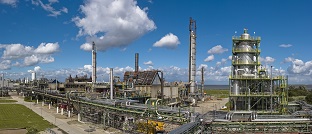
How will Europe, the Netherlands in particular, earn its income in twenty-five years’ time, in a sustainable way? How do we prepare for the world of 2040? By green growth, … Read more
Sustainable industry has much potential
Members of Parliament. Gladly we present to your commission, on your request, our book Green Growth. Gladly, because we feel that our subject concerns everybody. That subject is: ‘how is … Read more
Panarchy, for a transition with less disruption

Resistance towards innovative changes is a well-known problem. It troubles many researchers and entrepreneurs, also those who venture into the biobased economy. The science of systems innovation deals with the … Read more
Biobased Press looks for new input
Our website biobasedpress.eu looks for input from our readers. Are you aware of interesting articles that have appeared in your country, or of actual developments in your sector? We would … Read more
Insect biorefinery: it exists, it works
Insect biorefinery. Almost unimaginable, a few years ago. And yet, it is in full development. Its products will come to the market soon. The insect world will show us many … Read more
Investment in biobased materials and chemicals is on the rise, says Lux Research
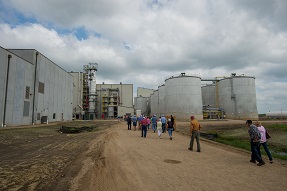
The BioBased Materials and Chemicals (BBMC) sector has clearly recovered from the 2008 setback, when many start-ups performed less than expected and many went bankrupt. Investment is on the rise … Read more
Tina Sejersgård Fanø (Novozymes): we want to remain an innovation-based company

‘As a company, we want to feed the world, save CO2, move to a greener and more biobased economy, improve lives. But we always want to remain innovation-based and bring … Read more
The plight of the innovative SME, the case of SeaLife Pharma
‘In twenty years’ time, SeaLife Pharma will not exist anymore,’ says its CEO Alexander Pretsch. In many companies, such a statement would be cause for concern. But Pretsch implies that … Read more
Wind energy in the Netherlands: the storm has not yet calmed down
They had come to Amsterdam by the dozens, to the Wind Energy Debate, to let themselves be heard. Opponents of wind energy. Their numbers and particularly their zest testified to … Read more
Community and technology development with social media
Local initiatives often have tremendous potential. They use social media in their communication and derive great strength from that. Says David Trap, online media expert, in an interview with us. … Read more
Meat is fine! No problem for world food supply, says Rudy Rabbinge

Food supply should have absolute priority, no less so in a biobased economy. Says Rudy Rabbinge, emeritus professor in sustainable development and food security at Wageningen UR. That is why … Read more