Artificial spider silk, imitating ‘the toughest material on earth’
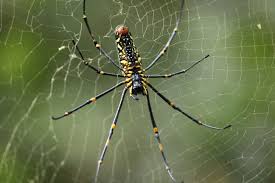
Spider silk combines properties that are very difficult to achieve for man-made materials. It is claimed to be 340 times stronger than steel; we are also told that a net … Read more
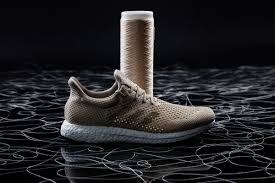
For a long time, silk has figured as a proverbial example of nature’s skills: strong and breathable, and soft to the skin as no man-made material could achieve. But we … Read more
One of today’s economic bestsellers is Doughnut Economics, written by the British economist Kate Raworth. Her book is an outright attack on the dominant neoliberal economic theory. Permanent growth is … Read more
Mankind needs to set a clear goal: plastic waste should no longer exist in ten to fifteen years from now. This ambitious goal needs to be tackled from two sides: … Read more
The impact of mineral, fossil and agricultural assets as a weapon in international politics will gradually become smaller, we concluded in three articles. Substitution of critical materials and the development … Read more
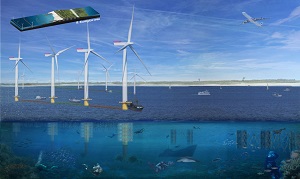
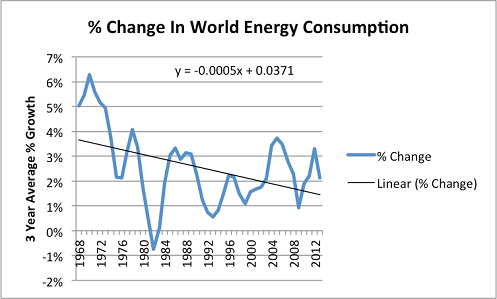
The world will have to take another look at renewable energy. We need to start thinking visionary and large-scale. Time is over when solar and wind energies had to adapt … Read more
Renewable energy sources are by nature ready to harvest anywhere in the world, and therefore not a source of international conflict by themselves. However, they depend in part on critical … Read more
Geopolitics has long circled around reserves of fossil fuels, the most critical assets in a fossil-based world. But although they will be around for a few more decades, fossil fuels … Read more
Some energy analysts propose that system changes will seriously slow down the advent of sustainable and intermittent energy sources. Grid instability and/or its prevention would add appreciably to sustainable energy … Read more
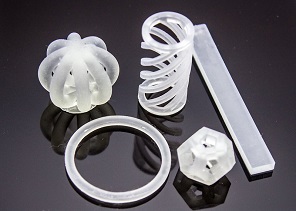
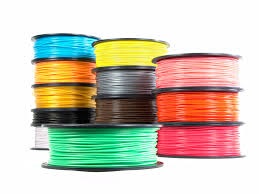
3D printing has the future. It will change the way in which we produce objects – maybe much less in factories and much more in shops around the corner. But … Read more
In a first article on renewable energy system costs we concluded that these costs may be formidable if the electricity grid would remain much the same. This could jeopardise the … Read more
Nano3Bio is the name of an EU-funded program that investigated production and properties of chitosan, a promising biobased material. Recently the consortium held its final conference in Hyderabad, India. Chitosan … Read more
In the early days of renewable energy development, its adversaries would tell the world that renewable sources would be hopelessly inadequate. Traditional (fossil and/or nuclear based) systems would be indispensable … Read more
The solar industry is in turmoil. The price of solar panels falls continuously and each year demand grows by 30%. This poses a major challenge to an industry that is … Read more
Solar energy (photovoltaics, PV) is no longer that cute but hardly relevant technology of energy supply – it will evolve into the basis of our entire energy system. The world … Read more
Researchers of the University of Bath (UK) and ModCell Ltd have developed straw as a low-impact and viable modern building material. As they say, ‘our research has made affordable, environmentally-friendly … Read more
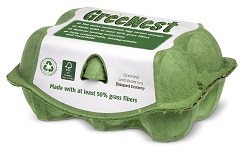
Last 15 September the first Kipster opened its doors in Venray, the Netherlands, a chicken farm that calls itself ‘the most animal friendly and sustainable chicken farm in the world’. … Read more
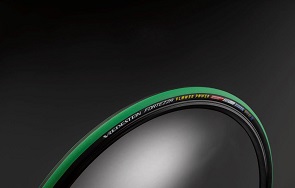
Vredestein showed a prototype of its Fortezza Flower Power at the Eurobike exhibition in Friedrichshafen in August. This innovative road tyre is made of dandelion rubber. The prototype is the … Read more
European biofuel policy is being revised. November last year, the new draft renewable energy directive (RED II) has been proposed, and decisions on it will be taken in the coming … Read more
Bio-waste is problematic from two sides. It may be a problem to dispose of it, and it represents an unused value. In a world where ‘there is no such thing … Read more
On August 5, the Biofuels Digest ran a story on chitosan, an exciting biobased substance with a bright future, almost unknown to the public so far (and unfortunately, also to … Read more
Biobased chemical building blocks go through a difficult phase: with falling crude oil prices over the past years, these chemicals had a hard time to remain competitive to fossil-based chemicals. … Read more
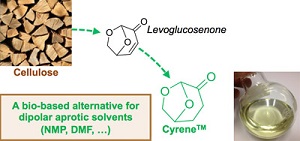
Cyrene is a biobased solvent intended to substitute toxic solvents in fine chemistry and pharmaceutical industries. It is produced by Circa, an Australian company that has partnered with the Green … Read more
Encouraged by Dutch top scientist Robbert Dijkgraaf, some internationally reputed scientists got a podium on TV to fantasise on the future, last 16 July. They gave their imagination free rein. … Read more
Another major study on neonicotinoids (neonics) was published in Science, last month. It sparked vehement comments from groups like Greenpeace and Friends of the Earth who want no neonics, as … Read more
At the Bio-Based Materials conference in Cologne, organised by nova-Institute, a special material came in second at the election of the bio-based material of the year: Paptic®. ‘The next generation … Read more
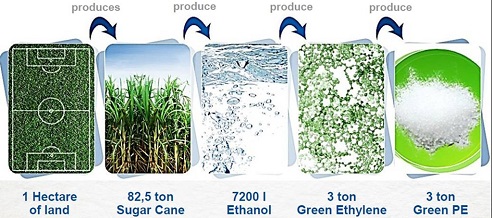
Mankind will have to grow more food on less land, so Hidde Boersma and Joost van Kasteren argue in the recently published volume (in Dutch) Ecomodernism, Rethinking Green and Growth. … Read more
There’s always a time lag between the development of a new technology and a dawning awareness of its social impact. Then follows a debate among scientists, possibly followed by a … Read more
In three columns, I have investigated the question of bee colony collapse and neonicotinoids (neonics), the effect of pesticides on pollinating insects and natural pest predators, and finally the services … Read more
In the first two columns in this series, I pictured the difficulties in establishing the truth on neonicotinoids (or neonics) and their effects on pollinating insects. The stakes are high. … Read more
Neonicotinoids tend to have a detrimental effect on bees and other pollinating species – unsurprisingly so, because these ‘neonics’ (at a much higher concentration) are designed to kill insects. But … Read more
As the struggle around neonicotinoids in the European Union is nearing a decisive phase, and my mailbox becomes overflown with panicky messages from both sides, I decided to make up … Read more
In nature, many materials excel in precision. They perform very precise tasks – and as researchers delve into their functions, they discover that complexity is at the bottom of this … Read more
Precision horticulture has evolved at great speed during the past decades. It will have a major influence on the world’s food supply, because of the quality and versatility of its … Read more
The biobased and circular economy is coming nearer and nearer. Each year, new applications of biobased resources come to the market. Industry aims at using the whole crop, among others … Read more
An era comes to an end. Ever since the start of the industrial revolution, mankind could only produce more, using more. Produce more food from more land. Produce more consumer … Read more
‘Green PAC is the hub for green (fibre) chemistry in the North East Netherlands,’ says the organisation on its website. It initiates and facilitates business driven knowledge development. Green PAC … Read more
Bioplastics markets show a stable growth overall; but within them, the emphasis shifts to disruptive newcomers; so we learn from two reports issued last month. Synthetic biology (synbio) technologies are … Read more
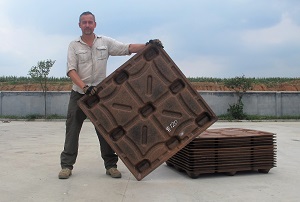
CocoPallet is a Dutch start-up that valorises the husk of the coconut to pallets for freight transport. Last month, Michiel Vos, founder and CTO of the company, was in Indonesia … Read more
Two factors are underrated again and again in energy policy: the potential of better energy efficiency (check here) and that of renewable energy. In our first column, we saw that … Read more
Two factors are underrated again and again in energy policy: the potential of better energy efficiency (check here) and that of renewable energy. In Paris, world leaders have affirmed their … Read more
The European biobased economy strategy should not lead through drop-in chemicals. The key is in Smart, Small and Clever. This is the second of two columns on the European biobased … Read more
Earlier this year, German nova-Institute published another thoughtful document on the biobased economy. It starts out from the observation that ten years of European policy making have not been very … Read more
Plastic litter is a curse. According to Joan Hanegraaf, the only solution to this problem is strict regulation and enforcement. Look at Japan, Canada, Singapore. No plastic litter there. One … Read more
In his book The Revenge of Gaia (2006) James Lovelock reasserts his idea that the earth, living and mineral, is a self-regulating system. A system that is now put to … Read more
In the past, biobased materials and chemicals earned scepticism. But the next generation offers high value in specialty chemicals, biopolymers and advanced materials. A clear value proposition when compared with … Read more
Vertical farming is making headway into modern cities. Fresh produce being a unique selling point for vegetables, we will see more production units coming close to the customer. Vertical production … Read more
Last week, we wrote about the versatile and biodegradable plastic PHA. The Dutch Platform Agro-Chemistry-Paper reacted to it: could you also highlight the pitfalls? Do you recognise the danger that … Read more
PHAs are a family of naturally occurring polymers – no plastics in the usual sense of the word, but energy reserves of microorganisms. A very versatile family: we can process … Read more
Plants need nutrients, among which minerals. Modern agriculture has given much attention to macronutrients: nitrogen, potassium, calcium, sulphur, magnesium and phosphorus. And much less to micronutrients, elements like boron, iron, … Read more