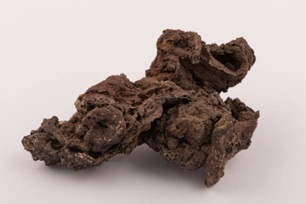
Lignin valorization
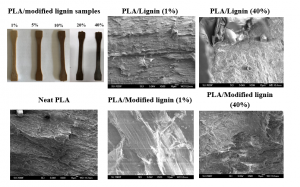
Lignin is a notoriously difficult resource to develop. Nevertheless, there has been progress in recent years. There is a growing landscape of technology developers. Commercial success might come within ten … Read more
A team of Northwestern University presents a cheap nickel catalyst that may appreciably simplify everyday plastics recycling. The catalyst breaks down polyolefins to oils and waxes. We use these plastics, … Read more
Yuki Kabe, Technical Advocacy Specialist at Braskem, signals an incorrect judgement of ‘biobased’ or green plastics in lifecycle analyses. As a chemical engineer, he has more than 20 years of … Read more
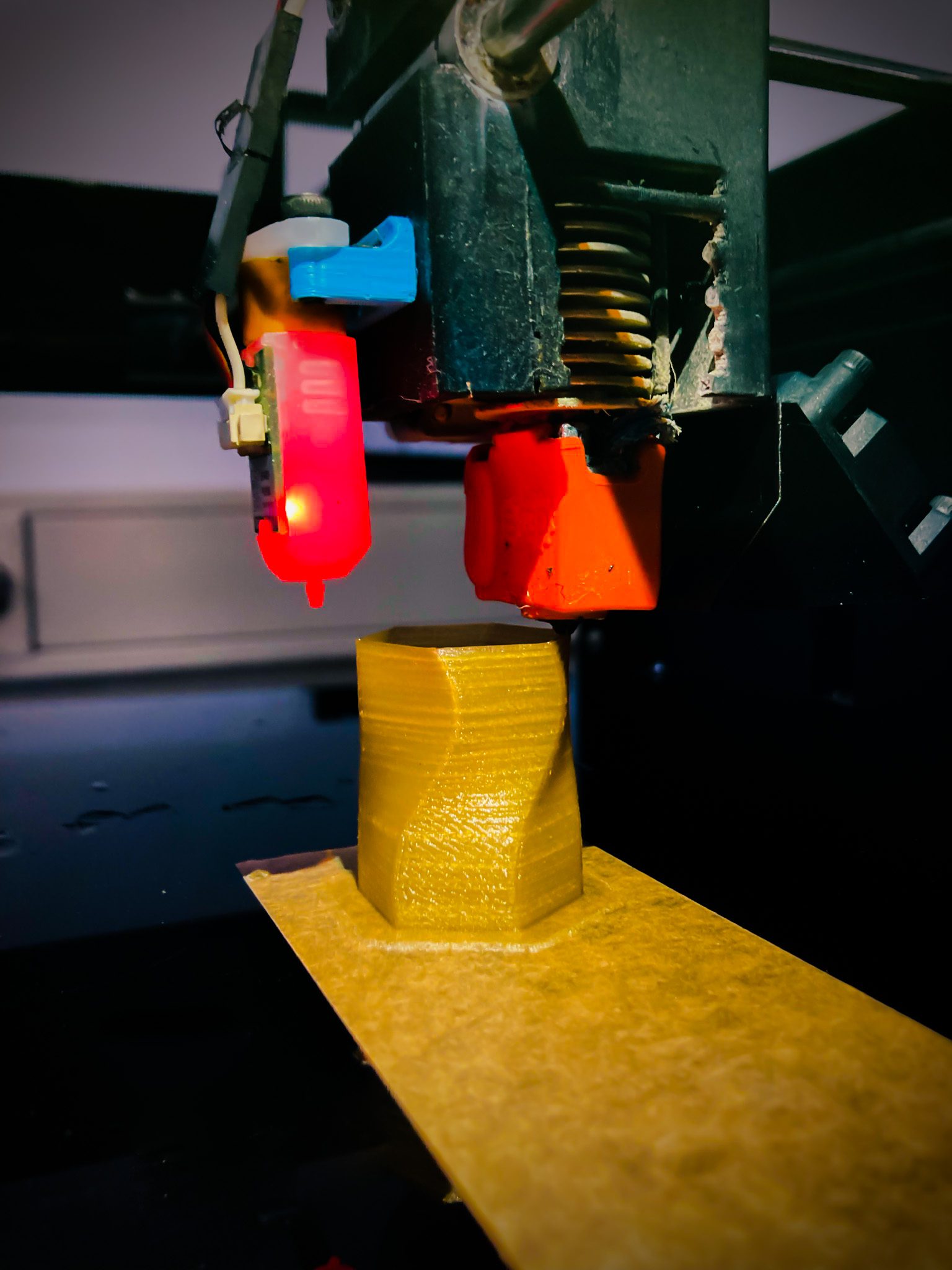
Polylactic acid, also known as PLA, is a thermoplastic monomer. It is derived from renewable, organic sources such as corn starch or sugar cane. This means that PLA is different … Read more
Paques Biomaterials, producer of PHAs (polyhydroxyalkanoates), has obtained a subsidy of € 14 million in order to commercialize its technology. The development of this material called Caleyda® will take place … Read more
UBQ Materials is an Israeli company that produces a thermoplastic compound from household waste. Their first factory outside Israel is under construction in Bergen op Zoom (the Netherlands). It will … Read more
The consumption of polymers has increased tremendously over the past few decades; and packaging now utilizes 42 percent of all polymer material worldwide. The extensive usage of polymers affects the … Read more
Some projects develop slowly but steadily. One of them is the project towards bionylon. We wrote about this in 2014 already. Genomatica, based in San Diego (USA) was the driving … Read more
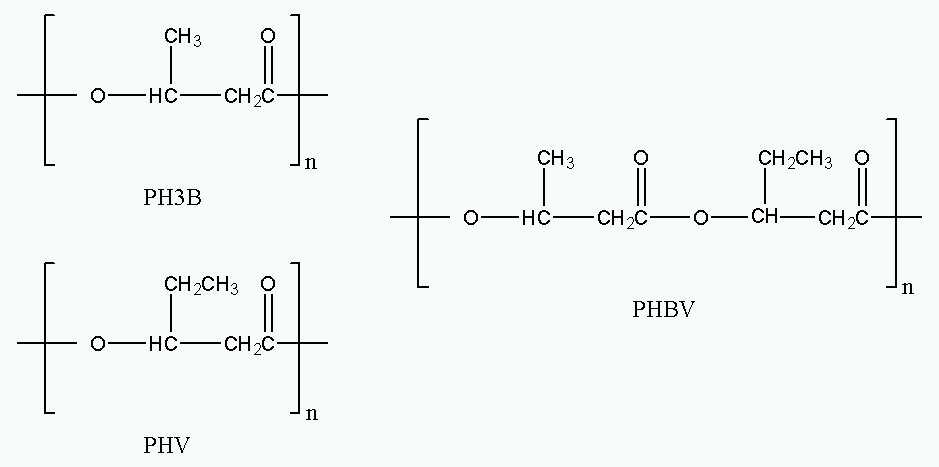
PHAs (polyhydroxy alkanoates) are interesting but difficult plastics. Interesting because they are produced in a natural way. From sustainable or waste resources. By microorganisms and not at high temperatures. PHAs … Read more
Conventional leather is an attractively priced and sought-after consumer good. But leather production has important negative environmental and social consequences. Animals often live in harsh conditions; the sector uses much … Read more
Mankind has known leather for about seven thousand years, now. Leather is durable and versatile. And biodegradable. But it is produced as a by-product of the meat industry, in a … Read more
‘Biobased materials and chemicals are driven by performance,’ we wrote in 2016. They do not compete primarily on cost, but on the new functionalities they offer. Now, in the middle … Read more
PHAs are versatile, biodegradable and promising, we wrote a few years ago. There was just one problem: they were not competitive. So demand didn’t develop. And therefore, they remained not … Read more
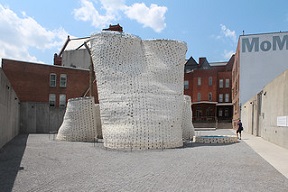
Quietly, industry is perfecting the art of using mycelium as a construction material. Mycelium is the invisible part of mushrooms: their ‘roots’ that consist of minuscule threads called hyphae. There … Read more
Plastics in the Circular Economy are hot. The last EFIB-conference in October 2019 featured a track dedicated to ‘The future of plastics’. The last edition of Dutch magazine Agro&Chemie also … Read more
Evolved by Nature has developed pure liquid silk; properly speaking: silk in solution. This substance will enable yarns to be covered with silk. They will then have the properties that … Read more
This month, NNFCC’s newsletter highlighted the launch of two biobased leather products. Isn’t all leather biobased then? Yes, but here we mean leather of vegetable origin. The synthetic leather market … Read more
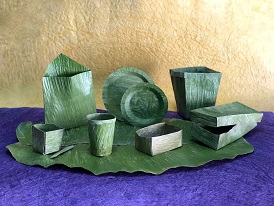
In Asia, banana leaves were always used for food packaging. But they quickly deteriorate. They have been overtaken by plastics, that now often clog the waterways and pollute the oceans. … Read more
The bioeconomy may be dominated by plant-based processes, but the role of animals in the bioeconomy is also notable. This article was first published on the site of NNFCC. In … Read more
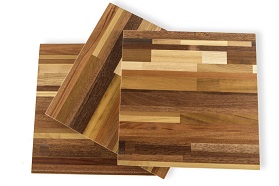
Bitumen is a by-product of oil production and is used to bind the surfaces of paved roads. Some researchers, concerned about its environmental impacts and future supply if petroleum refining … Read more
MaterialDistrict Rotterdam, the yearly exposition and conference on new materials, has 140 exhibitors this year, 200 new materials, presentations by 100 front-runner start-ups & designers, and op top of that … Read more
Every year the European car industry uses around 80,000 tonnes of wood and plant fibres to reinforce composites, instead of synthetic fibres like glass and carbon fibre. Biocomposites have become … Read more
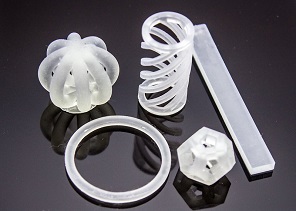
To date, most 3D printed buildings have been built from concrete. Could 3D printed bioplastic be a more sustainable option? Additive manufacturing, or 3D printing, is a major part of … Read more
The world needs to start purposely to restructure chemical industry in such a way that it is based on renewable carbon instead of fossil fuels, says nova-Institute in its latest … Read more
Among the wonderful new materials with unexpected properties that will change our world is microcrystalline cellulose. I got a new perspective on it through the lecture of Stéphane Laurent at … Read more

Companies around the globe are building the biobased economy as they commercialize renewable chemicals and biobased products. Collectively, their progress has reached a tipping point for accelerated growth in the … Read more
The strongest biomaterial ever has been assembled recently by Swedish, American and German researchers; it consists of cellulose, properly speaking of carefully parallel oriented cellulose nanofibrils (CNFs). The material is … Read more
Dealing with hospital waste can be a logistical nightmare. But some believe that if medical centres switched to bio-based and biodegradable disposable products, they could simplify their waste management and … Read more
Ahoy Rotterdam was the scene of the Material Xperience trade show. The show exhibited a large number of new and innovative materials. ‘Meet the future of materials’, was the slogan … Read more

The 13th Material Xperience, ‘the world’s largest multisectoral materials exhibition’, will take place 13-15 March in Ahoy, Rotterdam. Tuned towards materials innovation, it will show materials in six categories: architecture, … Read more

Whereas the two companies discussed in this series so far use fermentation technology to imitate silk, the American company Kraig Biocraft Laboratories uses the old workhorse, the silkworm. They introduced … Read more
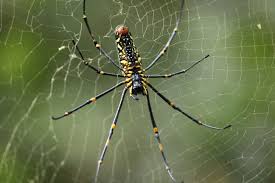
Spider silk combines properties that are very difficult to achieve for man-made materials. It is claimed to be 340 times stronger than steel; we are also told that a net … Read more
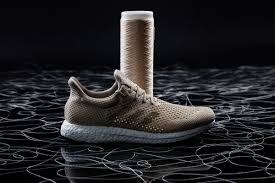
For a long time, silk has figured as a proverbial example of nature’s skills: strong and breathable, and soft to the skin as no man-made material could achieve. But we … Read more
3D printing has the future. It will change the way in which we produce objects – maybe much less in factories and much more in shops around the corner. But … Read more
Nano3Bio is the name of an EU-funded program that investigated production and properties of chitosan, a promising biobased material. Recently the consortium held its final conference in Hyderabad, India. Chitosan … Read more
Bio-based park benches in Bergen op Zoom were in the news during the first week of September. The initiative to acquire eleven bio-based benches, constructed from a composite of lightweight … Read more
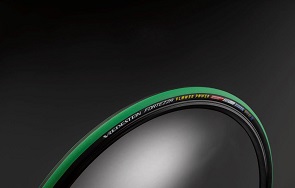
Vredestein showed a prototype of its Fortezza Flower Power at the Eurobike exhibition in Friedrichshafen in August. This innovative road tyre is made of dandelion rubber. The prototype is the … Read more
On August 5, the Biofuels Digest ran a story on chitosan, an exciting biobased substance with a bright future, almost unknown to the public so far (and unfortunately, also to … Read more
Biobased chemical building blocks go through a difficult phase: with falling crude oil prices over the past years, these chemicals had a hard time to remain competitive to fossil-based chemicals. … Read more
At the Bio-Based Materials conference in Cologne, organised by nova-Institute, a special material came in second at the election of the bio-based material of the year: Paptic®. ‘The next generation … Read more
The term bioplastics causes much confusion and will continue to do so, according to my conviction. The public does not seem to grasp the difference between bio as in biobased … Read more
‘Green PAC is the hub for green (fibre) chemistry in the North East Netherlands,’ says the organisation on its website. It initiates and facilitates business driven knowledge development. Green PAC … Read more
Bioplastics markets show a stable growth overall; but within them, the emphasis shifts to disruptive newcomers; so we learn from two reports issued last month. Synthetic biology (synbio) technologies are … Read more
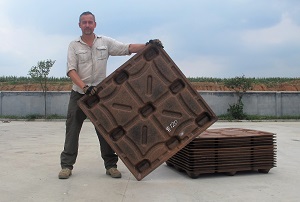
CocoPallet is a Dutch start-up that valorises the husk of the coconut to pallets for freight transport. Last month, Michiel Vos, founder and CTO of the company, was in Indonesia … Read more
The European biobased economy strategy should not lead through drop-in chemicals. The key is in Smart, Small and Clever. This is the second of two columns on the European biobased … Read more
Plastic litter is a curse. According to Joan Hanegraaf, the only solution to this problem is strict regulation and enforcement. Look at Japan, Canada, Singapore. No plastic litter there. One … Read more
Sustainable materials need to get certified, says Daan Bruggink. The architect is convinced that project developers will switch to more sustainable materials by including them in certification. At present, energy … Read more
In the past, biobased materials and chemicals earned scepticism. But the next generation offers high value in specialty chemicals, biopolymers and advanced materials. A clear value proposition when compared with … Read more
Last week, we wrote about the versatile and biodegradable plastic PHA. The Dutch Platform Agro-Chemistry-Paper reacted to it: could you also highlight the pitfalls? Do you recognise the danger that … Read more
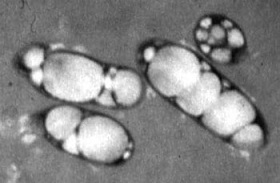
PHAs are a family of naturally occurring polymers – no plastics in the usual sense of the word, but energy reserves of microorganisms. A very versatile family: we can process … Read more