
Bio-bitumen for the roads of the future
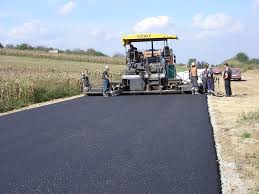
Bitumen is a by-product of oil production and is used to bind the surfaces of paved roads. Some researchers, concerned about its environmental impacts and future supply if petroleum refining slows down, have started to develop alternatives: bio-bitumen. An alternative to fossil-based bitumen Every year the EU produces around 15 million tonnes of bitumen. Most
Biocomposites for cars
Every year the European car industry uses around 80,000 tonnes of wood and plant fibres to reinforce composites, instead of synthetic fibres like glass and carbon fibre. Biocomposites have become increasingly popular with car manufacturers because they can reduce vehicle weight, which improves performance and lowers CO2 emissions. They are used in car interiors for
3D printed bioplastic: the future of construction?
To date, most 3D printed buildings have been built from concrete. Could 3D printed bioplastic be a more sustainable option? Additive manufacturing, or 3D printing, is a major part of the fourth industrial revolution and it will transform the construction sector, according to Zoubeir Lafhaj, an expert in the future of construction, from the graduate
Simplifying hospital waste with biodegradable disposables
Dealing with hospital waste can be a logistical nightmare. But some believe that if medical centres switched to bio-based and biodegradable disposable products, they could simplify their waste management and see other benefits, such as a lower carbon footprint and a reduction in hospital acquired infections. The problem of hospital waste Hospitals generate huge amounts