The solutions are here!
The solutions are here!, talking about major global problems. Solutions that exist already but are not generally applied. Or that are under severe and undeserved attack and therefore receive insufficient support. We have in mind: renewable energy and energy storage, food for 10 billion people, cleaning up all plastic waste and preventing new waste to
Plastic recycling: many technologies available, no winner, says Lux Research
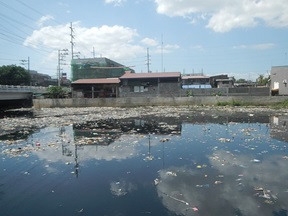
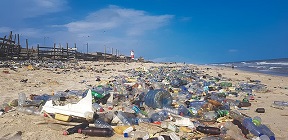
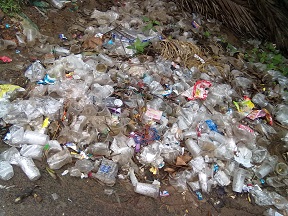
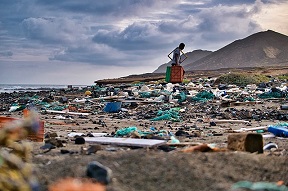
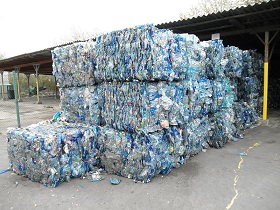
As plastic waste can now be found in the remotest areas of the Earth, plastic recycling becomes urgent. We know that biodegradable plastics are a niche solution, so we need to organize and implement recycling of non-degradable plastics fast now. A recent Lux Research report shows that four technologies will remain dominant in the near
Chemical recycling of mixed plastic waste
Quickly, the world gets critical of plastic waste. It litters land, waterways and oceans. Until quite recently, rich countries could export their waste to poorer countries – for them to sort out the difficult tail of consumer society. But since China banned such imports in 2018, each country needs to deal with its own waste.
Use more plastics, says Michael Carus, but responsibly
Michael Carus, managing director of the German nova-Institute, has stirred up the plastics debate. While plastic waste is piling up and the seas get filled with plastic soup, Carus makes a plea for the use of more plastics. A better use of plastics, properly speaking. The age of plastic has just begun In an interview
The role of chemistry in the reduction of plastic waste
In a first article, we proposed that plastic waste should no longer exist in ten to fifteen years from now. This ambitious goal needs to be tackled from two sides: plastics design on the input side, and dedicated processing on the output side. In both processes, chemists play a major role. And industry should show
Plastic waste: let’s put an end to it in 10 to 15 years
Mankind needs to set a clear goal: plastic waste should no longer exist in ten to fifteen years from now. This ambitious goal needs to be tackled from two sides: plastics design on the input side, and dedicated processing on the output side. Circular design concepts and professional reprocessing, including clever collection schemes, should help
Call to ban oxo-degradable plastics
Over 150 organisations worldwide endorse a new statement that proposes banning oxo-degradable plastics for packaging worldwide. Signatories include leading businesses, industry associations, NGOs, scientists, and elected officials. They include M&S, PepsiCo, Unilever, Veolia, British Plastics Federation Recycling Group, Gulf Petrochemicals and Chemicals Association, Packaging South Africa, World Wildlife Fund (WWF), Plymouth Marine Laboratory, and ten
Paptic, not a plastic, rather a novel kind of paper
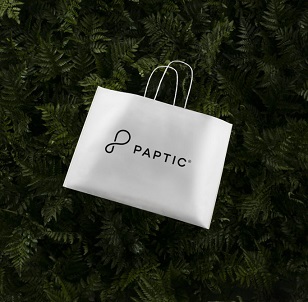
At the Bio-Based Materials conference in Cologne, organised by nova-Institute, a special material came in second at the election of the bio-based material of the year: Paptic®. ‘The next generation of paper bags – lighter and stronger’, as they advertise themselves. Paptic has a very agreeable feel: soft, strong and foamy, without the coarseness of