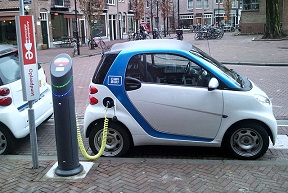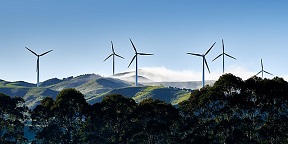
Cleantech has much more economic potential than just low CO2 energy technologies
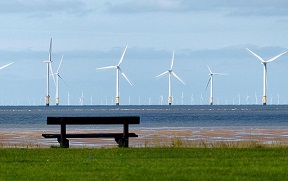
Cleantech might have a much better impact on the economy than just sustainable energy. In the large body of literature that investigates the economic effects of climate policy, most economists are on the pessimistic side; they assume that climate policy will be costly and will require massive policy interventions. But because of their one-sided eye
Mining bio-ore for nickel
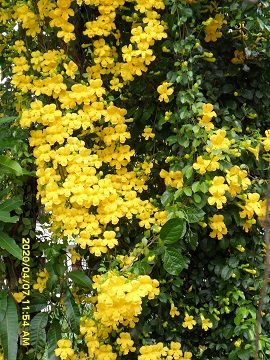
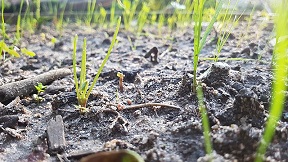
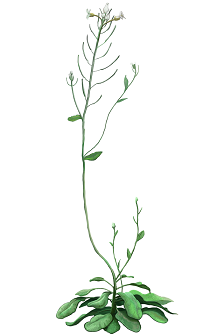
Two weeks ago I visited Cyprus to discuss a pilot project as part of our Alyssum initiative. The alyssum plant can absorb nickel and can concentrate extremely high levels of this metal in its tissues when grown in the right soil. We want to prove that this can be developed into an economically feasible mining
Algae: researchers move away from energy
Algae are not going to be the solution to our energy problem. It’s their low productivity, says prof. Kevin Flynn of Swansea University to NNFCC. It’s their high production costs, says Elie Duran, director of Phycosource, to Formule Verte. Which boils down to the same problem, aggravated by present low energy prices. Researchers redirect themselves
Natural fibre composites: a natural look and feel, and sustainable
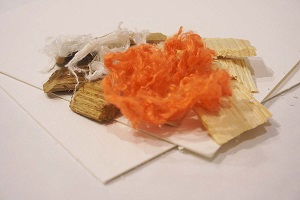
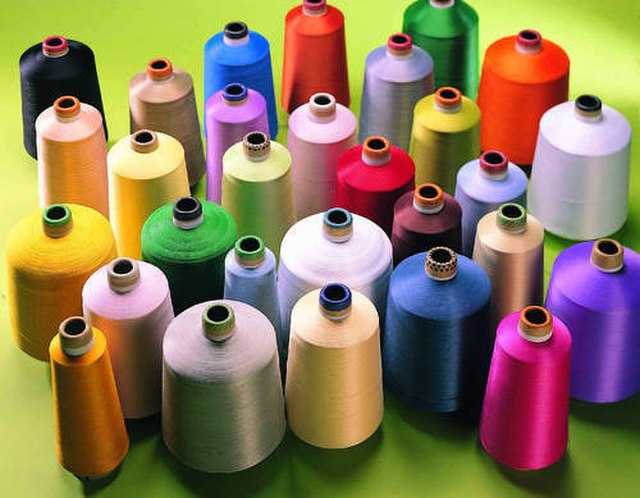
Natural fibre composites are plastics reinforced with natural fibres: mostly wood, bamboo, flax or hemp. They are increasingly used in consumer goods like watchcases, toys, combs and trays. The unique look and feel of these composites give the impression of a high-value product. German nova-Institute devoted a conference to them this month, the sixth in
Biobased industry review 2015
It’s been another busy year for the biobased chemicals and fuels team at NNFCC; as 2015 draws to a close we take a look at some of the year’s highlights. NNFCC, based in York, is one of the leading European biobased consultancy firms. With their kind permission we re-publish their 2015 review. By Adrian Higson
Lignin makes a take-off across the board, says Ludo Diels (Vito)
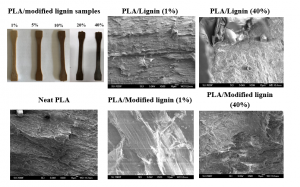
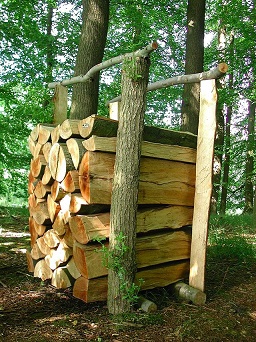
Ludo Diels, senior researcher sustainable chemistry at Vito, the Flemish institute for research of sustainable technologies, is very positive about the future of lignin. This third major wood component (after cellulose and hemicellulose) used to be a waste product, useful at most for energy production; now, research institutes and companies develop many applications. Three R&D


In memory of Wiero Beek
When in the seventies the discussion on the environmental problem erupted, Wiero Beek, then research director at Unilever, was one of the first industrialists who took the problem seriously. He devoted all his intellectual capacities to that task. Admirably so: in that polarised era, that was quite exceptional. In addition to that, he contributed to
on: 20 December 2015