Biohydrogen: the next green alternative fuel

Hydrogen has a high energy content (120-142.9 MJ/kg); it is a clean energy carrier and can replace fossil fuels. Hydrogen is already a fuel of choice for space programs; it … Read more

Hydrogen has a high energy content (120-142.9 MJ/kg); it is a clean energy carrier and can replace fossil fuels. Hydrogen is already a fuel of choice for space programs; it … Read more
European biofuel policy is being revised. November last year, the new draft renewable energy directive (RED II) has been proposed, and decisions on it will be taken in the coming … Read more
To me, the speech of Dr Laura Ruohonen of Finnish research centre VTT at the World Bio Markets Conference, last March in Amsterdam, opened new perspectives on the biobased economy. … Read more
Cellulosic ethanol costs vary greatly among the six units now in operation across the world, according to Lux Research. The single most important factor contributing to the cost differences is … Read more
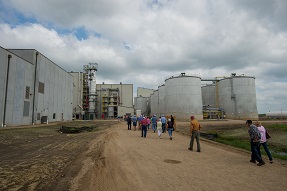
The BioBased Materials and Chemicals (BBMC) sector has clearly recovered from the 2008 setback, when many start-ups performed less than expected and many went bankrupt. Investment is on the rise … Read more

Production of second generation bioethanol is taking off. In Italy (Beta Renewables), US (DSM-POET), and now also in Brazil. Here, second generation ethanol factories are an addition to first generation … Read more
In the end of 2013, EuroBioRef came to a close, a major European R&D project in the field of biorefinery. The project included 29 partners in 15 countries and had … Read more
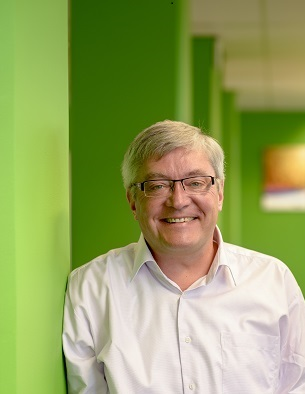
The future is to biobased, says DSM’s Anton Robek. In 10-20 years’ time, virtually all of DSM’s feedstock will be biobased. The question now is not if, but how fast … Read more
Europe’s biofuel policy has been reformulated earlier this year, in order to promote the development of second-generation biofuels. But this seems to have little effect: whereas second-generation biofuels from food … Read more
In the Northern provinces of the Netherlands, Ron (son) and Hein (father) Aberson have been pioneering with rapeseed for ten years; they try to establish an autarkic cooperation. SOS, Solar … Read more
Seaweed is on its way to become a serious hype, and a sustainable one. At the second international seaweed conference Seagriculture, in Den Helder and at the Wadden isle of … Read more
There is a lot of emotion in the food/fuel discussion. Of course in the disguise of academic arguments, and supplied with discourses on LCA and ILUC, but nevertheless firmly rooted … Read more
‘Americans act and deliver, Europeans doubt and talk.’ Says Steve Hartig, General Manager to POET-DSM Advanced Biofuels, the joint venture of the Dutch biotech company and the largest alcohol producer … Read more
In Denmark and Italy, Novozymes, the world’s largest producer of industrial enzymes, and Beta Renewables, a global leader in cellulosic biofuels and part of Gruppo Mossi & Ghisolfi, announced an … Read more
There is a big opportunity for the Dutch chemical industry beyond bulk products. A small country, with a strong agro-food sector and specialized technology, should aim to develop knowledge and … Read more
As researchers have discovered commercial pathways to separate cellulose and hemicellulose on a commercial scale, lignin treatment is the next step. And quite more complex. Utrecht University seems well underway … Read more
Ruud Lubbers, long standing prime minister of the Netherlands, now is one of the main advisors of the Rotterdam Climate Initiative. Energy efficiency, sustainable energy, carbon capture and storage, and … Read more
‘We had quite some response, and congratulations from peer companies too, as we announced our next step in the implementation of bioalcohol production from corn waste end January 2012, a … Read more
Methanol, commonly produced from natural gas, is an interesting transport fuel, and a feedstock for products like plastics and paints. Natural gas feedstock contributes to almost three quarters of methanol’s … Read more
In 2009, Dutch IMI institute interviewed eleven NGOs on their stand on the biobased economy, on behalf of the ministry’s Interdepartmental Program for the Biobased Economy. All NGOs are prepared … Read more
In the biofuel debate, it important to distinguish first and second generation technologies. First generation technologies produce biofuel from edible feedstock like starch (from maize), sugar (from sugar cane) or … Read more